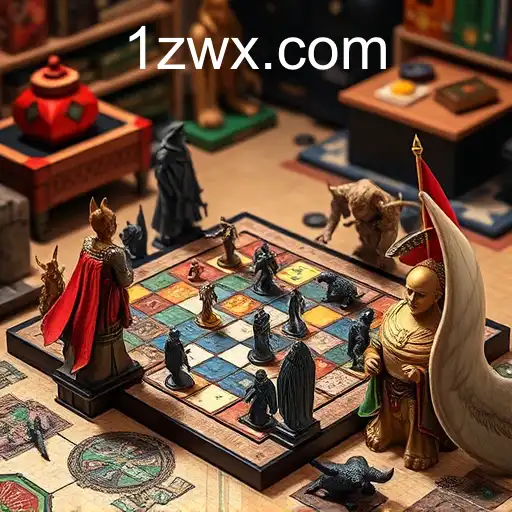
The Evolution of Tabletop Games
Tabletop games have long been a cherished pastime, fostering social interactions and strategic thinking. From ancient board games discovered in archaeological digs to the modern, intricate tabletop role-playing games, these leisure activities have evolved significantly over centuries, developing into a diverse and intricate landscape of entertainment. This evolution continues today with advanced digital integrations such as zwx PH Login, transforming traditional tabletop games into interactive, dynamic experiences.
Historical Roots and Cultural Significance
Spanning various cultures and periods, tabletop games have played a significant role throughout history. Ancient civilizations such as those in Egypt and Mesopotamia had their own board games, providing a glimpse into societal values and social structures. Games were not merely distractions but rather tools for communication, strategy, and even diplomacy. They often reflected cultural narratives, serving both educational and recreational purposes.
The Middle Ages introduced a variety of new games, with chess emerging as a popular strategic game. The Renaissance and Enlightenment periods saw the proliferation of card games and other forms of gambling, indicative of changing social dynamics. These historical developments underscore the adaptability and enduring appeal of tabletop games across generations.
The Rise of Modern Tabletop Games
In the 20th century, tabletop gaming experienced a renaissance with the introduction of iconic board games such as Monopoly and Scrabble, both of which became household staples. These games introduced new genres and mechanics that would serve as foundations for future innovations. Meanwhile, tabletop role-playing games (RPGs) began to emerge, offering an entirely new form of collaborative storytelling and imagination.
One of the most influential RPGs, Dungeons & Dragons, launched in the 1970s and forever changed the landscape of tabletop gaming. It introduced the concept of a gamemaster, player-driven narratives, and complex worlds, allowing for endless creativity and replayability. This innovation marked the beginning of a new era in tabletop gaming, setting the stage for further advancements and the integration of technology.
The Impact of Technology on Tabletop Gaming
The advent of the internet and digital technology has had a profound impact on tabletop games. Online platforms and communities have formed, allowing players from around the world to connect and collaborate in ways previously unimaginable. The integration of digital elements into traditional games has created hybrid forms of gaming, offering enhanced interactive experiences.
Key among these technological advancements is the zwx PH Login, a platform that illustrates the potential for digital enhancement in tabletop games. It offers seamless integration with various gaming frameworks, enabling developers to incorporate interactive features such as augmented reality, personalized user interfaces, and real-time multiplayer functionalities. These features allow players to enjoy a more immersive and dynamic gaming experience, without sacrificing the tactile and social elements of traditional tabletop games.
Exploring zwx PH Login in Modern Gaming
zwx PH Login represents a convergence of traditional gaming elements with digital innovation. As a platform, it facilitates the development of games that can adapt to player preferences, providing customized experiences while maintaining the core elements that make tabletop games unique. By utilizing this platform, developers can create immersive worlds that blend digital interactivity with the creative storytelling inherent in tabletop traditions.
The platform also supports community-building among gaming enthusiasts. By providing tools for social connectivity and interaction, players can form lasting friendships and collaborative networks. Moreover, it supports the generation of user-created content, allowing gamers to contribute to an ever-expanding library of scenarios, characters, and game mechanics, thus enriching the overall gaming ecosystem.
Potential Challenges and Considerations
Despite the many benefits of integrating digital elements into tabletop games, challenges remain. Ensuring accessibility and maintaining the intimacy of face-to-face interaction are crucial considerations for developers using platforms like zwx PH Login. Additionally, the potential for digital distractions must be managed to preserve the social and strategic essence of traditional tabletop games.
As the industry continues to evolve, meeting these challenges will require creative solutions, balancing the allure of digital innovation with the fundamentals that have made tabletop games a beloved pastime for centuries. As developers and players navigate this hybrid landscape, the focus will remain on enhancing user experience while fostering community engagement.
In conclusion, the world of tabletop games continues to grow and adapt, embracing technological advancements while honoring its rich heritage. Platforms like zwx PH Login exemplify the potential for innovation in this space, inspiring a new generation of players and creators to explore the limitless possibilities of tabletop gaming. The integration of digital features holds the promise of transforming this venerable hobby into a globally connected, interactive phenomenon, building upon the legacy of tabletop games as tools for entertainment, education, and social interaction.
Whether you are a seasoned gamer or a newcomer eager to explore, the evolving landscape of tabletop gaming offers something for everyone. With endless possibilities and the ever-increasing integration of technology, the future of tabletop games looks as exciting as ever. Boldly taking the traditions of the past into a digitally enhanced future, these games continue to capture the imagination and bring people together.